
What price would you put on friendship? In these hyper-capitalistic times, where nothing is beyond being given a monetary value, perhaps even Mastercard wouldn’t dare to claim that it’s priceless. A YouGov survey found that 15% of Britons say they have no close friends, while nearly one in 10 (8%) have no friends at all. The numbers are similarly dismal in the US. As we face this contemporary crisis of connection, it is little wonder that friendship, or at least the possibility of it, is increasingly being marketed for sale.
There has been a striking increase in online platforms and apps that promise to introduce you – algorithmically, through social mixers or a combination – to your next BFF. There’s Cliq, PLY, standing for “People Like You”, and RealRoots which promises user satisfaction with the tagline: “Make new friends. Guaranteed”. Meanwhile, 222 boldly declares it is “not a friend-making service”, but a means to “explore serendipity” through social experiences with compatible people.
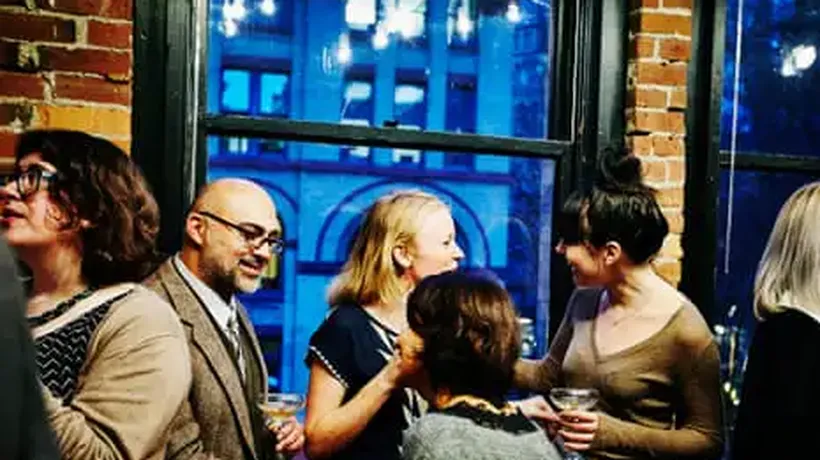
And this new sweep of pay-to-play friendships doesn’t stop at apps and algorithmic matchmaking. It is accompanied by supper clubs, book clubs, running clubs and other opportunities for you to mingle with people in your area – for a fee, of course. CircleUp, for example, holds regular social mixers across the UK for paying members, so that you can “keep seeing the same faces”. Others cultivate a more exclusive crowd. Gathering Tables hosts dinners for a “curated mix of guests”, united by their willingness to pay £145 a head.
These initiatives dangle community, but whether this trumps their commercial reason for being is debatable. The price of these apps and events is sometimes framed as a means of securing commitment, not just covering costs. “When you do things for free, people often don’t turn up,” PLY’s founder told the Guardian. But the effort becomes less civic-minded when you consider the desire for friendship is what makes these services valuable in the first place. These friend-making apps and paid-for gatherings may well offer opportunities for social connection – they are at least a date in the diary. But make no mistake, they exist primarily to encourage investment in a brand and even create opportunities to spend. Of course it is possible to make genuine connections in commercial spaces – many of us have made close bonds at work – but paying for introductions feels antithetical to the spirit of true friendship.
This new commercial interest in facilitating “gathering” speaks to the sense of collective untethering from community. Many of us understand we are lacking community, perhaps even more than friendship. It is unsettlingly common to hear people complaining of their current social network, as though a more suitable or nourishing one already exists, just waiting for you to slot into it. No wonder brands are attempting to package them up.
Cliq claims the first step to “start your community” is to download its app. But real community is built, not bought (and certainly not downloaded). It takes time, shared investment and often some weathering on both sides. It is certainly possible that meaningful, enduring ties can begin at a paid-for meet-up. But while the payment can create the conditions for friendship, it can’t manufacture the friendship itself.
Tellingly, ease is often central to the offering: Cliq claims “finding your people shouldn’t be difficult”. Shouldn’t it? No matter how you meet, it takes time and effort to turn an acquaintance into a friend; that same process, multiplied and sustained, is what creates a community. Seeking shortcuts or higher-quality connections is not only beside the point, it works against the rewards: authentic relationships can only be forged without expectation of a return on investment.
That’s not to say we don’t need more places and opportunities to meet new people; the very existence of these services at least demonstrates that we do. But before entrusting our need for greater intimacy and affection to a third party, we might ask ourselves if we could be doing more to put ourselves out there socially. Could we extend an invitation to friendly strangers, or introduce our mutuals and turn acquaintances into friends?
The best community-building exercise I’ve heard of lately was before a performance of Austentatious – the Jane Austen comedy play – where all solo ticket-holders were invited to come early and mingle before the show. The event was free, organised around a preexisting commitment and people could opt in. There was the opportunity to meet people; the work, and potential reward, of making a new friend was left to you.
-
Elle Hunt is a freelance journalist